Tales from the Loop
and its life lessons.

The opening introduction by Jonathan Pryce - as Russ Willard, founder of the Loop - is probably the only thing I didn’t like about the entire series (Amazon Prime, Creator: Nathaniel Halpern, 2020, Season 1). It set up the genre and feel of the series precisely (something between Twilight Zone and Stranger Things) but it made it all feel staged.
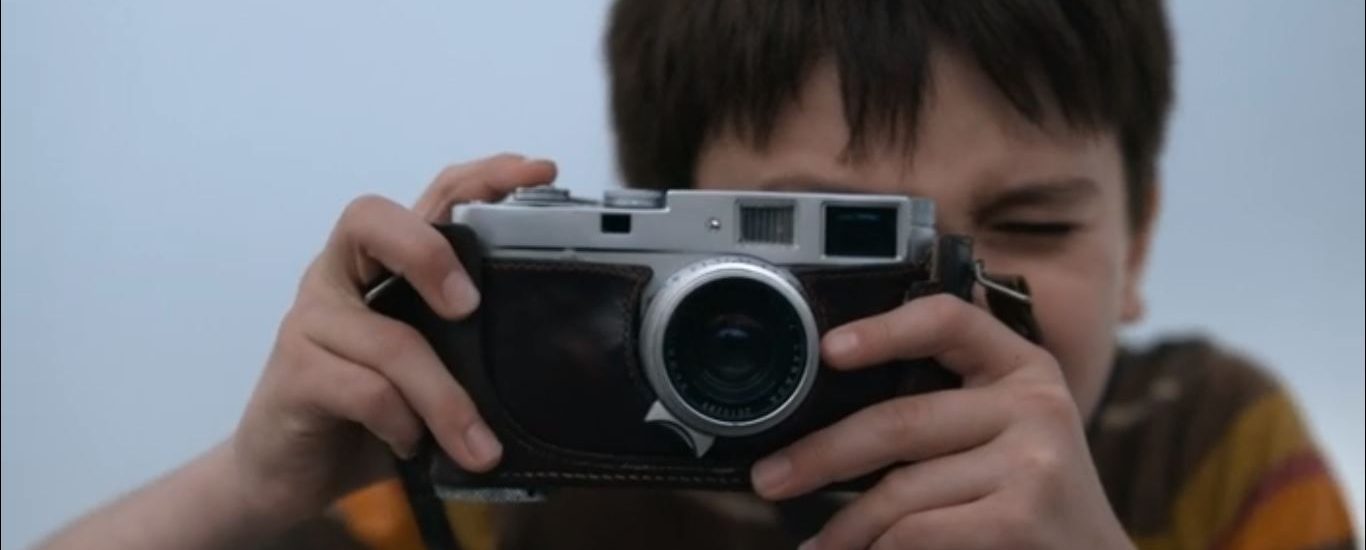
Image from The Cinemaholic
There is a stage of course, the town, the Loop, and all the odd things that happen around it, but the stories are raw and real, a direct reflection of our collective anxieties and struggles. The writer and executive producer, Nathaniel Halpern has managed to convey so much about life in just the right amount of words, efficiently communicating emotions in a way that allows us as viewers to interpret and take away each story through experience rather than consumption.
There was a tone and an emotion that I was really drawn to in the work [of Simon Stålenhag]. So often science fiction can be somewhat cynical or serve to induce anxiety or fear or anger. With Simon's work, I saw a chance to tell poignant human stories with a bit of hope in them, and maybe provide a bit of comfort, which I think we could use a little bit of right now.
Nathaniel Halpern, article from Ars Technica
As the TV series is based on paintings by Simon Stålenhag, it is not surprising that the art direction is just breathtaking. Though they’re very different series, it reminded me of Channel 4’s Utopia (Creator: Dennis Kelly, 2013-14).
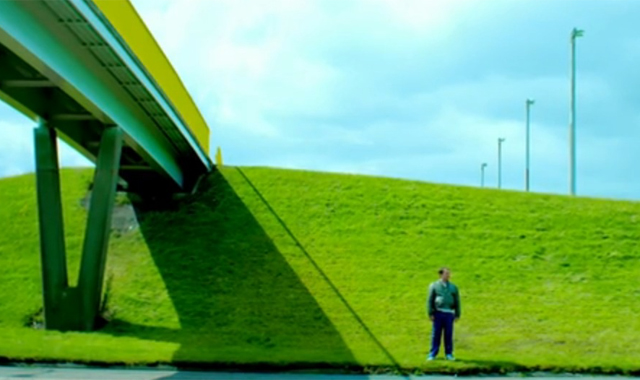
Utopia — image from article in Den of Geek
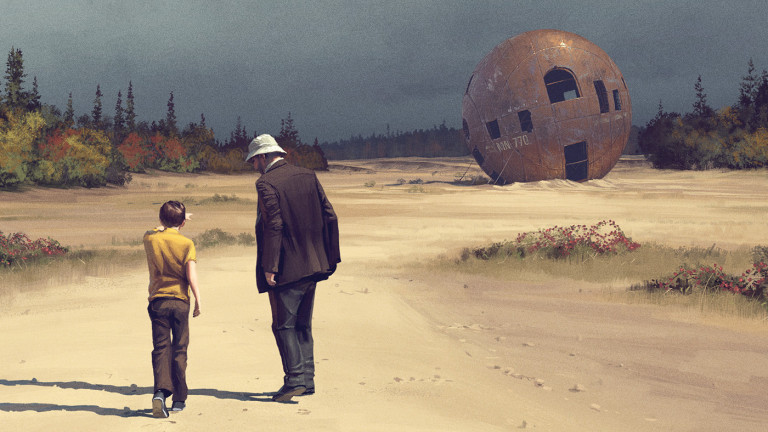
Tales from the Loop image: Simon Stålenhag / Amazon
There’s too much to unpack from this series’s short season, so I’ll pick what I feel is the main experience and life lesson to be taken away for each episode.
- Loop — “Turns out, not everything in life makes sense.”
When we are faced with hard moments in life, as hard as it is, we need to be reminded that these moments do not last. There will be happiness and easy periods to come.
- Transpose — “I don’t think I like to draw anymore.”
Life isn’t fair in many ways and we all struggle with our own anxieties and fights that did not occur from our own choices. We are sometimes just born into situations and we all just do what we need to, to survive.
- Stasis — “I guess everybody’s got something.”
Our disabilities or shortcomings aren’t always on display, and sometimes those who look perfect might have more internal impairments than we would ever suspect, and sometimes, even time cannot erase them.
- Echo Sphere — “I’m not sure there’s much to do.”
No matter how much knowledge or information we might have, we cannot stop nature and her cycle of life. Even as we progress as a collective, we need to be humbled by the natural world that we live in.
- Control — “I won’t let anything bad happen.”
Parental love knows no bound nor reason. We won’t always be able to understand why parents do certain things, but we can be sure that they’re from a place of love and protection.
- Parallel — “I can’t even imagine.”
Seeking perfection just blinds us from seeing other opportunities. Change always yields new energy.
- Enemies — “Don’t. Tell anyone. Ever.”
A lack of understanding cultivates fear, and when we force something into secrecy, we create monsters from it.
- Home — “I want it to be like it was.”
We can never go back to what was.
Included in Halpern’s initial design was an unconventional decision: Instead of making the show an ongoing quest to explain the mysteries of its premise, he wanted to let the mysteries be.
Indiewire.com review
Though it might seem like a simple design, of letting the mysteries be, I think the series carries more meaning than that. It allows us, as viewers, to reflect on what we think of as ‘normal’ in our ‘real world’ and truly question if what we (humans) have created in societal rules and structures are really necessary. And more importantly, do these man-made truths impede on our nature of just being human. If it takes the weird mysteries that surround the Loop to let us see what true human stories are, maybe it is time that we thought about changing our reality.
